Recognizing early indicators across Delaware
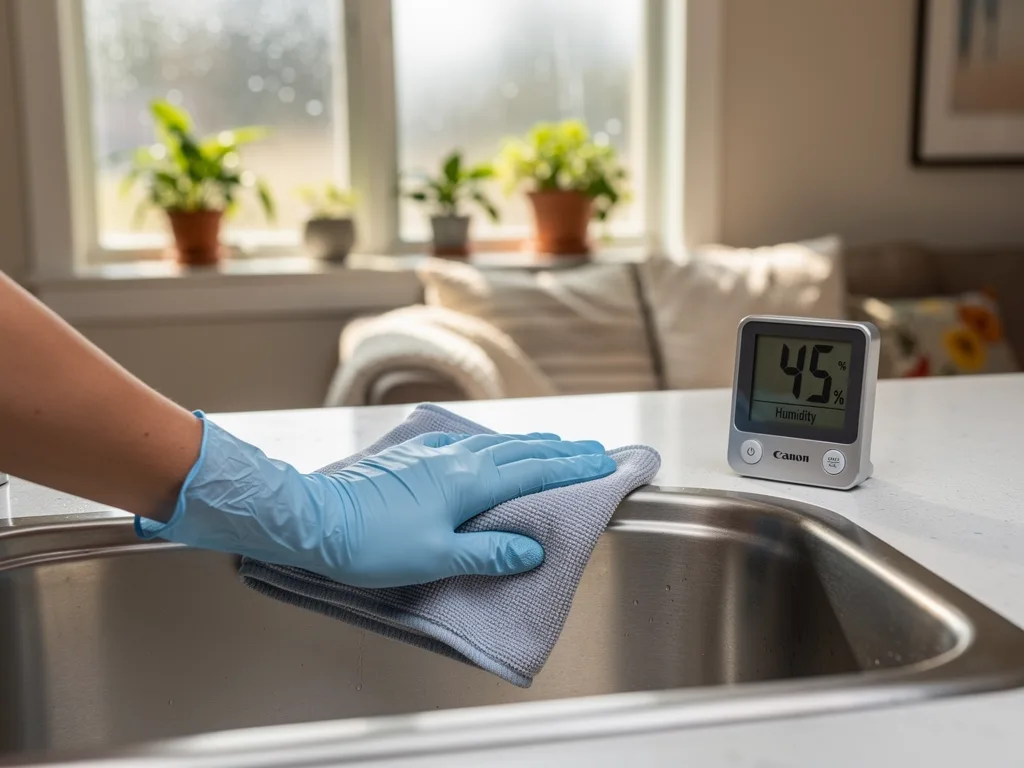
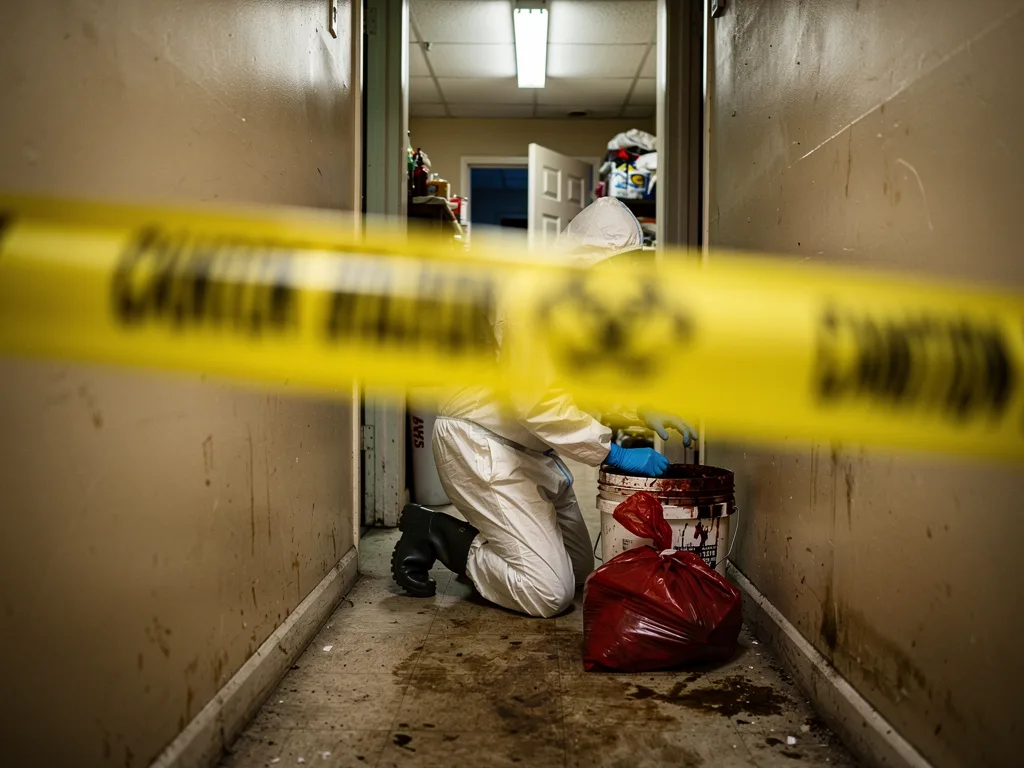
Biohazard situations rarely announce themselves with a single loud signal. In Delaware homes you may notice a persistent, unfamiliar odor, unusual staining, or a slick film on surfaces. These clues can point to contamination that requires careful handling by trained personnel. Our biohazard remediation technicians look for organic smells, dampness that breeds mold, and any signs of bodily fluids or waste in hidden corners. Across Delaware, homeowners should treat these signals seriously and consider a professional assessment before any cleaning progresses.
Smoke or chemical odors that linger after normal cleaning activities can signal residual contaminants. Watch for sudden changes in air quality, especially in damp basements or crawl spaces. Delaware crews understand how local humidity and seasonal shifts can affect odor distribution, so they approach each case with attention to the whole home. If you notice more than one sign, it’s time to call a professional for an on-site evaluation.
What to do when you notice warning signs
First, avoid disturbing the area further. Do not scrub or rinse materials that may be contaminated, and do not mix cleaners that could react with contaminants. If anyone in the home has symptoms like persistent coughing, headaches, or dizziness, exit the area and ventilate the space if it is safe to do so. In Delaware, our team can be reached for a phone consultation to determine the next steps without committing to immediate service.
Document what you see with photos from a safe distance. This helps our biohazard remediation technicians understand the scope of the issue and plan a safe response. When you’re ready, we’ll schedule a thorough assessment to identify contamination sources, containment needs, and the proper sequence of cleanup steps across Delaware.
Why early identification matters
Addressing issues early prevents further spread, protects occupants, and reduces the risk of cross-contamination to other rooms. In Delaware homes, containment and ventilation must be managed carefully to protect air quality while cleanup proceeds. Our team uses state-wide procedures designed for safety and efficiency, with clear steps that you can follow during the initial conversations with our staff.
Delaware homeowners who recognize warning signs can save time and avoid unintended exposure. By acting promptly, you set up a smoother remediation process for the entire house and keep neighbors in Delaware safe from any potential airborne contaminants.